
Autism Stigma: How to Move from Misconceptions to Meaningful Acceptance

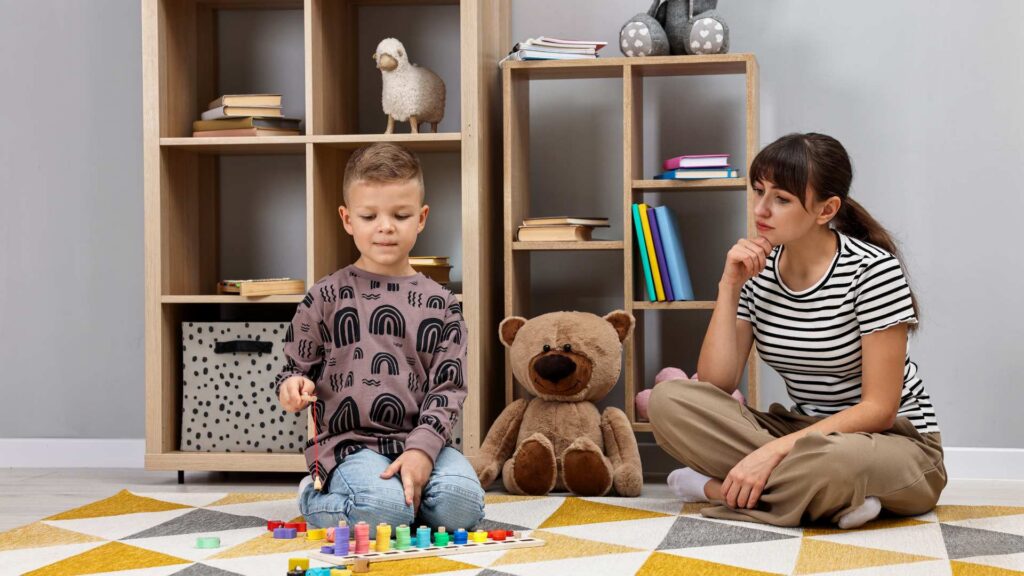
A child playing with blocks while an adult watches , illustrating a calm moment linked to discussions about autism stigma

Table of Contents

Autism stigma isn’t always loud or obvious. Sometimes it shows up as a sideways glance at the grocery store. Sometimes it sounds like comments saying, They don’t look autistic,” or Isn’t that just bad behavior? For many families, the stigma becomes part of their daily life, even long before the diagnosis arrives.

Parents often find themselves asking questions that don’t have simple answers. Why is autism still so misunderstood, even with all the information available today? And how will the stigma around autism affect my child as they grow, learn, and move through the world?

Much of that misunderstanding comes from outdated ideas about what autism “should” look like, along with limited representation and discomfort with differences that aren’t immediately familiar.

Stigma forms when people rely on assumptions, and sadly, its impact can shape how early concerns are received, how children with autism are treated in public and at school, and how supported families feel along the way.

In this article by ABA Centers of Georgia, we will explore what autism stigma looks like today, the ways it affects families, and why shifting from basic awareness to genuine acceptance truly makes a difference.

Stigma vs. Reality: What People Assume vs. What Autism Actually Looks Like

Many misconceptions about autism come from media stereotypes that frame autism as either a tragic limitation or a rare savant skill set. Reality lives can be entirely different.

Autism is a spectrum. Some children speak early and fluently; others communicate in different ways. Some need high levels of daily support; others live independently. Many individuals with autism experience sensory sensitivities, emotional regulation challenges, or social differences that aren’t visible at first glance.

According to a systematic review published in the Journal of Autism and Developmental Disorders, families frequently report judgment tied to behaviors others misinterpret as poor parenting or defiance, rather than neurological differences. The article highlights how stigma thrives when the public expects autism to “look” a certain way and dismisses experiences that don’t fit that mold.

When people expect autism to be obvious, quiet, or consistent, they miss the reality: autism looks different in every person on the spectrum, every family, and every environment.

How Autism Stigma Impacts Families Beyond First Impressions

Autism stigma doesn’t stop at awkward comments. It shapes decisions, delays care, and weighs heavily on families’ mental health, not only the one on the spectrum.

A 2025 peer-reviewed study explored how stigma affects the diagnostic and intervention journey for Black families in the southeastern United States. Caregivers described feeling blamed, judged, or discouraged from seeking help due to perceptions and fear of being labeled. Some delayed evaluations because they worried about how a diagnosis would reflect on their parenting or their child’s future.

That delay matters. Early identification opens the door to early intervention, educational support, and services that help children build communication, social, and adaptive skills. When stigma interferes, families lose time and miss opportunities to access support.

Stigma also fuels isolation. Parents sometimes avoid public spaces, skip social gatherings, or stop asking for support to protect their child from judgment. Over time, that isolation compounds stress, anxiety, and burnout, especially for caregivers who already navigate complex systems of care.

Autism Stigma in Schools and Public Spaces

Schools, playgrounds, restaurants, and stores often become the front lines of autism stigma.

In classrooms, students with autism may face discipline for behaviors tied to their sensory overload or communication differences. In public spaces, families get stares or unsolicited advice when their child struggles with transitions, noise, or waiting.

Especially in schools, stigma can limit inclusion. When educators lack training or rely on deficit-based assumptions, children miss opportunities to participate meaningfully and to feel safe being themselves. Inclusion requires more than placement; it also requires understanding.

Autism Awareness vs. Autism Acceptance: Why Awareness Isn’t Enough

Over the past decade, autism awareness campaigns have increased visibility. More people recognize the word “autism”, but that recognition doesn’t guarantee respect, inclusion, or support.

Awareness says autism exists, while acceptance says “people with autism belong.”

That difference matters. Awareness can explain a behavior; acceptance allows it to happen without judgment. It moves the conversation from “What’s wrong?” to “What does this child need to feel safe and supported?” Awareness might help others identify hand flapping or sensory sensitivity. Acceptance creates space for those behaviors without stares, correction, or pressure to conform.

True acceptance reshapes environments. It influences how classrooms are designed, how communities respond to differences, and how support systems meet families where they are, without requiring individuals with autism to change who they are to fit in.

5 Ways Parents Can Advocate and Push Back Against Autism Stigma

A school meeting of two adults, a child, and a teacher, reflecting parents advocating for their child and addressing autism stigma.

Parents don’t have to dismantle autism stigma alone, but their voices matter.

Here are 5 practical ways you and your family can advocate:

  1. Model acceptance at home. Children learn how to see themselves through the reactions of trusted adults. Celebrating strengths alongside challenges builds resilience.
  2. Correct myths when it feels safe. Simple explanations like “My child processes sensory input differently” can reframe situations without overexposure.
  3. Build allies. Teachers, extended family, therapists, professionals, and other parents can become partners when they understand your child’s needs.
  4. Ask for accommodation early. In schools and public spaces, proactive communication often prevents misunderstandings.
  5. Protect your energy. Advocacy doesn’t mean educating everyone. Choosing when to engage is part of self-care.

Research consistently shows that social support acts as a buffer against stress caused by stigma. Families who feel connected experience less isolation and more confidence navigating systems.

Replacing Autism Stigma with Understanding and Support

Autism stigma persists because society still struggles with difference, but change happens in small, everyday moments. It happens when assumptions are challenged, when families feel believed instead of judged, and when children are supported rather than misunderstood.

Acceptance doesn’t require perfection. It requires listening, humility, and a willingness to learn from individuals with autism and their families.

If you have questions about diagnosis or ongoing care and ABA therapy, you don’t have to do it alone. ABA Centers of Georgia provides diagnostic testing, early intervention, and ABA therapy for children, teens, and adults with a focus on dignity, partnership, and long-term impact. Reach out to us by calling  (855) 957-1892 or filling out our contact form. Our team is here to help.

Understanding reduces stigma, and support helps families move forward with clarity and confidence.


Scroll to Top