

Autism Level 1: Understanding Support Needs

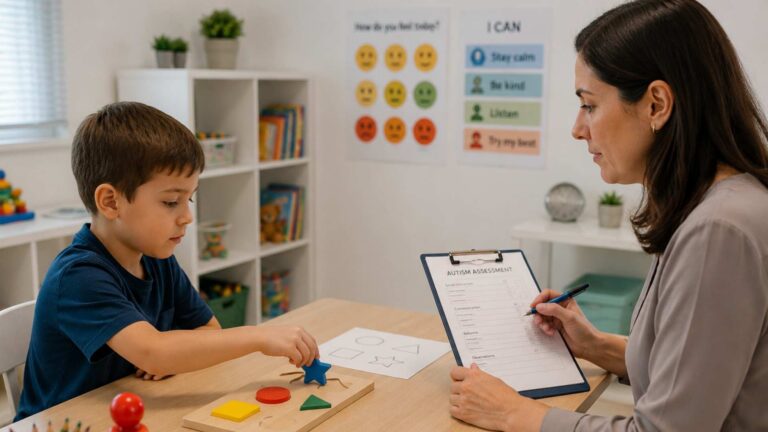
A child arranging shapes on an autism level 1 diagnostic evaluation

Table of Contents

Is Level 1 Autism the Same as Mild Autism?

For many families, hearing for the first time that their child has autism level 1 can bring both relief and confusion. Relief because there is finally an explanation for certain behaviors or challenges. Confusion because the label itself raises new questions.

Many parents have heard the phrase “mild autism” or “high functioning autism” before encountering the clinical term autism level 1, or in conversations about the diagnosis. But is level 1 autism the same as mild autism?

The short answer: not exactly. Some people use the phrase “mild autism” to describe ASD level 1, but professionals usually avoid that wording because autism affects each person differently. The term autism level 1 refers to individuals who require support in areas such as social communication, flexibility, and emotional regulation, even if those needs are not immediately visible.

Understanding what ASD level 1 really means can help parents better recognize their child’s strengths, challenges, and the kinds of support that may help them thrive.

What Does “Requiring Support” Mean in Autism Level 1?

Autism level 1 is a classification used in the DSM-5 to describe individuals on the autism spectrum who require support throughout daily life.

Children and teens in this level of the spectrum often communicate verbally and participate in school and social activities, but they may still struggle with certain aspects of communication, flexibility, and emotional regulation.

This level replaced older diagnostic terms such as Asperger’s syndrome, high-functioning autism, or mild autism, which can oversimplify the autism spectrum; that’s why many professionals prefer not to use them.

Autism exists on a continuum, and level 1 does not mean autism is “mild” or insignificant: it means that the individual may benefit from targeted support to help them navigate everyday situations more comfortably.

Why Autism Level 1 Can Be Misunderstood?

Because many children with level 1 autism develop strong language skills and perform well academically, their needs can sometimes be overlooked.

From the outside, a child may appear to be managing well. But internally, they may be working very hard to interpret social cues, manage sensory sensitivities, or adapt to unexpected changes.

Parents often describe situations such as:

  • A child who excels in school but struggles to maintain friendships
  • A teen who becomes overwhelmed after long social interactions
  • A student who experiences anxiety during schedule changes or transitions
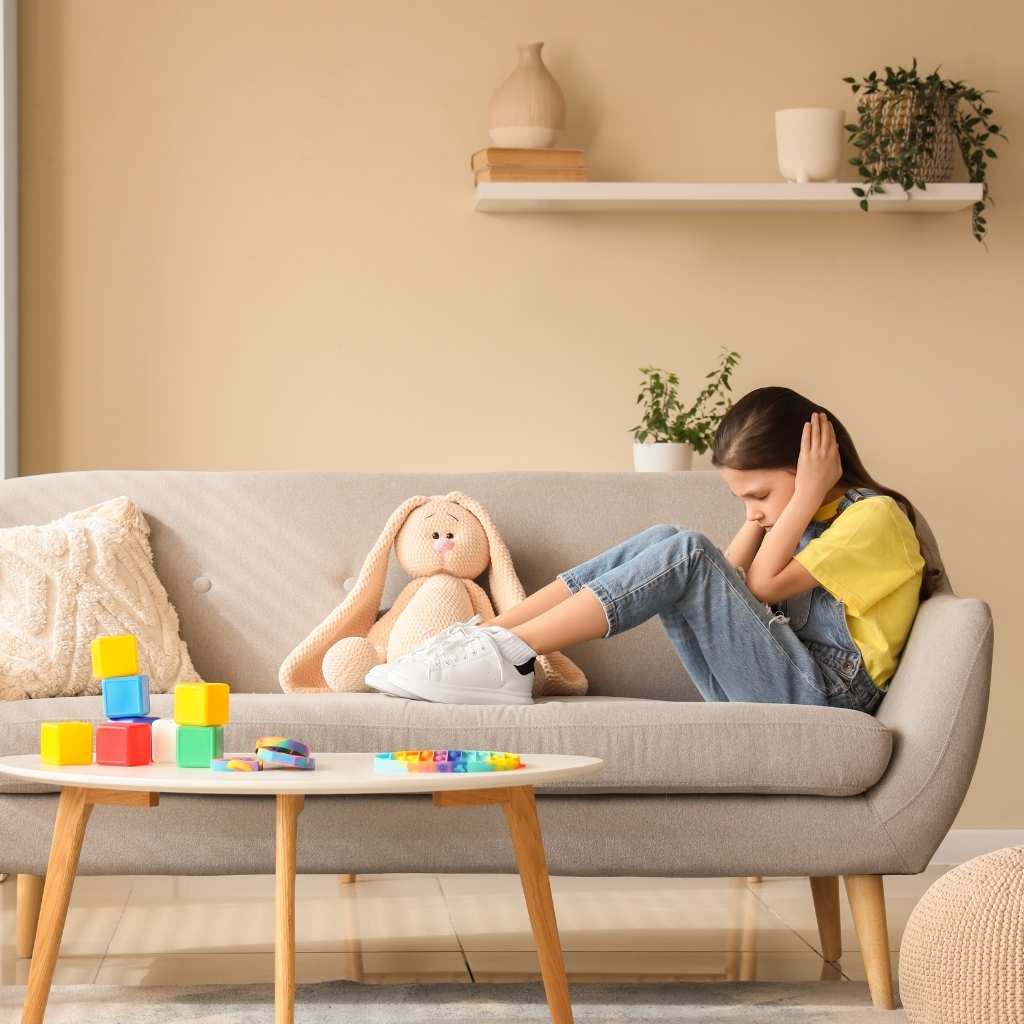
A child on a sofa covering their ears. The image reflects how autism level 1 is often misunderstood because signs can seem subtle.

Understanding these challenges can help families advocate for their child’s needs.

Common Signs of Autism Level 1 in Children and Teens

Every person on the spectrum is different, but certain patterns commonly appear in ASD Level 1.

Some children in this level may:

  • Have difficulty starting or maintaining conversations
  • Struggle to read facial expressions or body language
  • Prefer routines and predictability
  • Develop very focused interests in specific topics
  • Experience sensory sensitivities to sounds, textures, or lights
  • Become overwhelmed during social situations

These differences often become more noticeable as children grow older and social expectations increase. For example, a young child may simply appear shy. But in middle school, navigating group dynamics and subtle social rules can become much more challenging.

Social Communication Challenges

Social communication is one area where level 1 autism can have a strong impact. Children and teens may want friendships but struggle with the unspoken rules of conversation, reading subtle social cues, interpreting language literally, or maintaining a back-and-forth interaction.

Because they often work hard to understand social situations and manage their responses, many feel exhausted after social interactions, a feeling known as social fatigue.

Recognizing this effort can help parents and educators respond with greater understanding and support.

Emotional Regulation and Anxiety in Autism Level 1

Many individuals in this level of autism experience challenges related to emotional regulation and anxiety.

Situations that may seem manageable for others (like loud environments, unexpected schedule changes, or complex social interactions) can feel overwhelming.

Children may respond by withdrawing from social situations, becoming frustrated or irritable, experiencing anxiety before school or social events, reactions that are stress responses, not behavioral problems. Understanding this can help caregivers respond better to these episodes.

Therapies that teach coping strategies, emotional awareness, and communication tools can make a significant difference.

Masking in Autism Level 1: Why Do Some Children Go Undiagnosed?

Masking means consciously or unconsciously copying social behaviors in order to blend in. This might include forcing eye contact, rehearsing conversations, or suppressing natural reactions. Many children with ASD level 1 learn to mask their differences to fit in.

While masking can help children navigate social situations, it can also be exhausting.

Some children who mask successfully are diagnosed later in life because their challenges were less visible during early childhood.

Research on autism identity suggests that receiving a diagnosis (especially later in life) can influence how individuals understand themselves, often helping explain past experiences and shaping how they develop a sense of autistic identity.

For many teens and adults, learning they have autism helps them better understand their strengths, needs, and identity.

How Support and ABA Therapy Can Help Individuals Thrive

Support strategies for level 1 autism often focus on helping children build practical skills that make daily life easier.

A therapist and child practicing ABA therapy in a playroom, supporting the child with autism level 1.

According to guidelines summarized in the American Journal of Occupational Therapy, therapies that focus on participation in daily activities, like kids’ ABA therapy or in-school ABA therapy, can help autistic individuals strengthen independence and engagement across school, social life, and work.

These approaches help children learn strategies that support both independence and confidence.

ABA therapy focuses on building skills that improve everyday functioning, such as:

  • communication skills
  • emotional regulation
  • flexible thinking
  • social interaction
  • problem-solving strategies

ABA therapy helps reduce barriers so children can participate more comfortably in school, family life, and social environments, without changing who they are.


Understanding Autism Level 1 as a Starting Point with ABA Centers of Georgia

Learning about ASD level 1 can help families better understand what their child is experiencing. While the term describes support needs, it does not define a child’s personality, intelligence, or future.

Every child on the spectrum brings unique strengths, interests, and perspectives to the world.

When families combine understanding, supportive environments, and evidence-based support, children can develop the tools they need to grow with confidence.

If you are exploring diagnostic testing or therapy options, our team at ABA Centers of Georgia can help and guide you through the next steps. Our specialists provide autism diagnostic evaluations, early intervention programs, and personalized ABA therapy for children and teens across the autism spectrum. Fill out our contact form to schedule a free consultation, or call us at (855) 929-5058.

With the right support and understanding, families in Atlanta, Alpharetta, Riversdale, and more areas can move forward with clarity, and children with ASD level 1 can continue discovering their strengths and possibilities.

Scroll to Top