
How Do Books for Kids with Autism Help Understand Autism and Neurodiversity?
Many books focus on helping children understand neurodiversity. Instead of presenting autism only as a challenge, these stories show that different ways of thinking and experiencing the world can also be strengths, helping them understand that everyone’s brain works a little differently.
Representation in stories helps reinforce the idea that being different does not mean being less capable or less valued. For other children, these stories offer a chance to learn about autism through empathy rather than explanation.
How Do Books for Kids with Autism Support Social and Emotional Learning?
Another reason families often look for books for kids with autism is their ability to support emotional learning. These stories naturally introduce topics such as:
- Recognizing emotions
- Understanding body language
- Building friendships
- Communicating needs
- Managing routines and transitions
A story might show a character feeling frustrated when plans change or overwhelmed in a noisy environment. Through the story, children can observe how the character identifies those feelings and finds ways to cope or ask for help. Also, illustrations can help children recognize emotions through facial expressions, posture, and body language.
Reading together can make this learning even more meaningful. Parents often pause during stories to ask simple questions like:
- “How do you think the character feels?”
- “What do you think might help them?”
- “Have you ever felt like that?”
7 Recommended Books for Kids with Autism
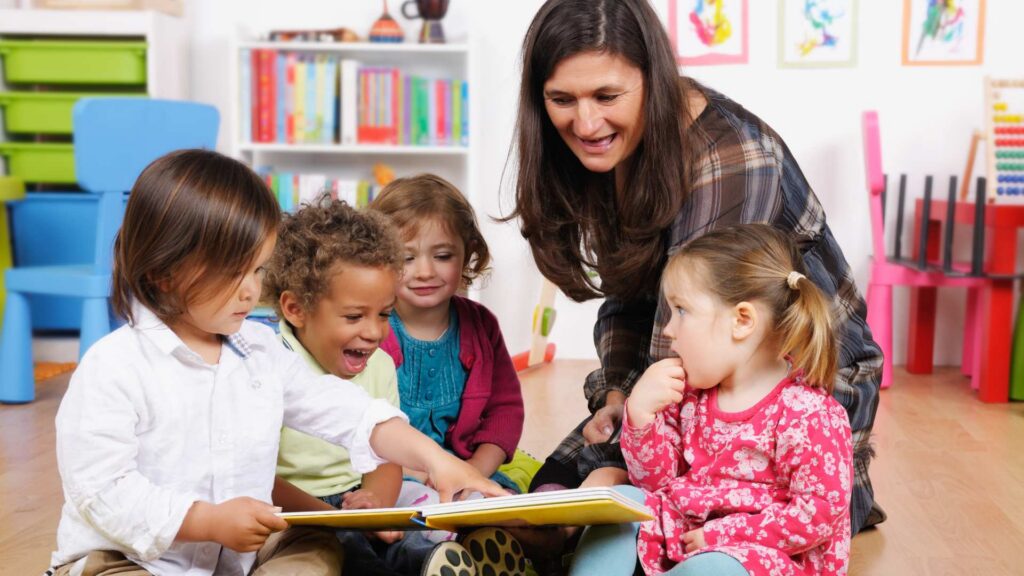
Parents, educators, and therapists often recommend certain books for kids with autism because they combine engaging stories with meaningful messages.
Here are some widely appreciated books that many families find helpful:
- All My Stripes – by Shaina Rudolph and Danielle Royer
This heartfelt story follows Zane the zebra, who feels frustrated because his autism makes him feel different from the other zebras at school. With his mother’s guidance, Zane begins to see that his stripes represent many things, not only his challenges, but also his strengths, talents, and personality. - A Friend for Henry – by Jenn Bailey
Henry wants to make a friend at school, but social situations confuse him. Group activities and playground interactions can be overwhelming, and he isn’t always sure how to join in. Through patience and small moments of connection, Henry eventually finds a friendship that feels comfortable and genuine. - My Brother Otto – by Meg Raby
Told through the eyes of a young girl, this story explores what it is like to have a brother with autism. The narrator describes Otto’s love for routines, his unique way of playing, and the things that make him feel calm or overwhelmed. As she learns more about Otto’s perspective, she begins to understand him more deeply. - The Girl Who Thought in Pictures – by Julia Finley Mosca
This picture book introduces children to Temple Grandin, a scientist with autism who changed the way people design livestock facilities. The story shows how Temple’s unique way of thinking helped her see solutions others had not noticed. Through this storytelling, children learn that thinking differently can lead to big creative ideas. - All Brains Welcome – by Jonathan Mooney
This book celebrates the idea that every brain is different and valuable. It introduces children to the concept of neurodiversity, explaining that people may learn, communicate, and think in many different ways. The book encourages kids to appreciate differences and build inclusive friendships. - My Friend Has Autism – by Amanda Doering Tourville
Designed for younger readers, this book explains autism from the perspective of a child who has a friend on the spectrum. It describes behaviors children may notice and explains them in a simple, reassuring way. The story emphasizes kindness, patience, and curiosity, helping children understand how to support and include their friends with autism. - I See Things Differently: A First Look at Autism – by Pat Thomas
Through relatable examples and simple explanations, this book helps children understand autism while encouraging compassion and open-mindedness. The story reassures young readers that differences are a natural part of being human.
ABA Centers of Georgia: Supporting Your Child’s Growth Beyond Books
Stories can open meaningful conversations and become a starting point for deeper learning and development. Many parents find that books for kids with autism help their children recognize emotions, understand social situations, and see that their experiences are valid. Over time, these small moments of connection during reading can build confidence and strengthen communication between parents and children.
For some families, books work well alongside supportive services that help children practice the skills they see in stories. ABA therapy for children or early intervention can help kids develop communication, social interaction, and daily living skills in a structured, supportive way.
If your child has recently received an autism diagnosis or you are looking for guidance on developmental support, ABA Centers of Georgia is here to help. Our team provides diagnostic testing, early intervention services, and personalized ABA therapy designed to support children and families at every stage.
If you would like to learn more about how our services can support your child’s growth and development, contact ABA Centers of Georgia today by calling (855) 929-5058 or through our website. Together, we can help your child build the skills and confidence they need to navigate the world in their own way.