
How Can I Make an Autism-Friendly Valentine’s Day?
Valentine’s Day is often associated with cards, candy, and big expressions of love. For children with autism spectrum disorder (ASD), however, the holiday can sometimes feel overwhelming due to changes in routine, social expectations, and sensory input.
In response to these factors, many families ask: How can I make an autism-friendly Valentine’s Day?
Fortunately, with a little planning and flexibility, Valentine’s Day can become a meaningful chance to practice social skills, celebrate relationships, and create positive experiences in a way that feels supportive and autism-friendly for all families of all abilities.
At ABA Centers of Georgia, we encourage families to approach Valentine’s Day thoughtfully, prioritizing connection, comfort, and each child’s unique needs.
In this blog, we’ll discuss why the holiday can be challenging for some children on the spectrum and share five simple ways to help make Valentine’s Day feel more fun and manageable for everyone.
Understanding Valentine’s Day Through an Autism-Friendly Lens
Holidays often come with unspoken social rules: exchanging cards, giving compliments, or participating in group activities.
For children with autism, these expectations may not feel intuitive. Loud classroom parties, unfamiliar foods, or pressure to interact socially can increase anxiety.
Recognizing these challenges is the first step to changing them for the better. By adapting sensory-friendly activities and setting clear expectations, families and educators can help children on the ASD spectrum feel more confident and included.
5 Simple and Autism-Friendly Valentine’s Day Activities
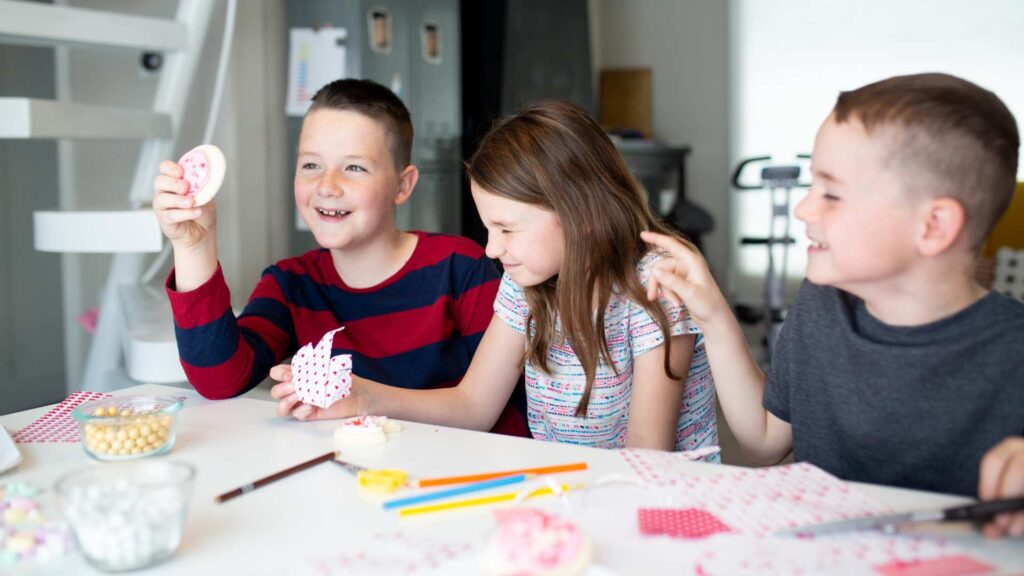
Valentine’s Day doesn’t have to be elaborate to be meaningful. Here are a few autism-friendly activity ideas that neurodivergent families can adapt at home or during events.
1. Create Valentine’s Cards with a Purpose
Making cards is a classic Valentine’s Day tradition! For children with autism, this activity can be useful for practicing:
- Fine motor skills (cutting, gluing, coloring)
- Following step-by-step instructions
- Expressing appreciation using simple words or symbols
Visual supports, pre-written phrases, or picture choices can help make this activity more accessible and less demanding.
2. Practice Social Skills Through Role-Play
Valentine’s Day is a great time to work on social communication gently. Role-playing scenarios such as passing out cards, saying “Happy Valentine’s Day,” or responding to a compliment can help children feel more prepared.
Keep role-play sessions short, predictable, and positive. Praise effort rather than perfection!
3. Try Sensory-Friendly Crafts
Crafts can be calming and engaging when sensory preferences are respected. Consider offering choices like:
- Stickers instead of glue
- Soft foam shapes instead of glitter
- Crayons or markers with familiar textures
Allow children to opt out of materials they find uncomfortable and celebrate creativity in all forms.
4. Share Kindness in Simple Ways
Valentine’s Day is about kindness, and that can look different for every child. Sharing kindness might include:
- Giving a card to a family member or therapist
- Helping a friend or loved one make a snack
- Choosing a small gift for someone they care about
These moments reinforce empathy and connection without overwhelming social demands.
5. Prepare for the Day Together
If your child will be part of classroom or group activities, taking time to prepare together can be very helpful. Discuss what to expect, use visual schedules, and, if possible, coordinate with teachers or therapists.
This proactive approach can lower anxiety and help your child feel more comfortable and ready for events.
How ABA Can Support Better Valentine’s Day Events
Applied Behavior Analysis (ABA) therapy is a research-based approach that helps individuals with autism develop important life skills, including communication, social interaction, and coping strategies.
These skills are especially valuable during holidays like Valentine’s Day, when changes in routine and increased social demands can be overwhelming for some children on the spectrum.
According to Autism Speaks, ABA is one of the most widely studied and effective therapies for autism, helping children build skills that support positive experiences in everyday life and during special events.
Board Certified Behavior Analysts (BCBAs) and Registered Behavior Technicians (RBTs) often collaborate with families in home and community settings to reinforce these skills.
By practicing new routines, role-playing social situations, and building coping strategies together, families can help children generalize what they learn in ABA sessions, making events like Valentine’s Day less stressful for everyone.
Celebrating Love and Inclusivity in Meaningful Ways
Valentine’s Day doesn’t have to follow traditional rules to be special. For children with autism, the best celebrations focus on comfort, predictability, and authentic connection.
By honoring each child’s unique communication style, sensory preferences, and emotional needs, families can shift the holiday away from expectations and toward genuine joy and togetherness.
Choosing autism-friendly activities and setting realistic goals helps reduce stress and creates opportunities for positive learning.
Valentine’s Day is a chance to celebrate love in many forms. When children on the ASD spectrum feel safe and supported, they are more likely to engage, express themselves, and truly enjoy these moments—creating memories that matter most.
Happy Valentine’s Day from ABA Centers of Georgia!
More About ABA Support All Year Long with ABA Centers of Georgia
At ABA Centers of Georgia, we believe that every child deserves opportunities to grow and connect at their own pace.
By tailoring Valentine’s Day activities to your ASD child’s strengths and sensory needs, you can create memories that are empowering and improve their connection with the world around them.
ABA Centers of Georgia offers families across the state ABA services and autism diagnostic support, like testing and screening options that truly make a difference.
If you’re interested in learning more about how ABA therapy can support social and communication skills year-round, our team is here to help. Call us at (855) 929-5058 or visit us online to learn more.