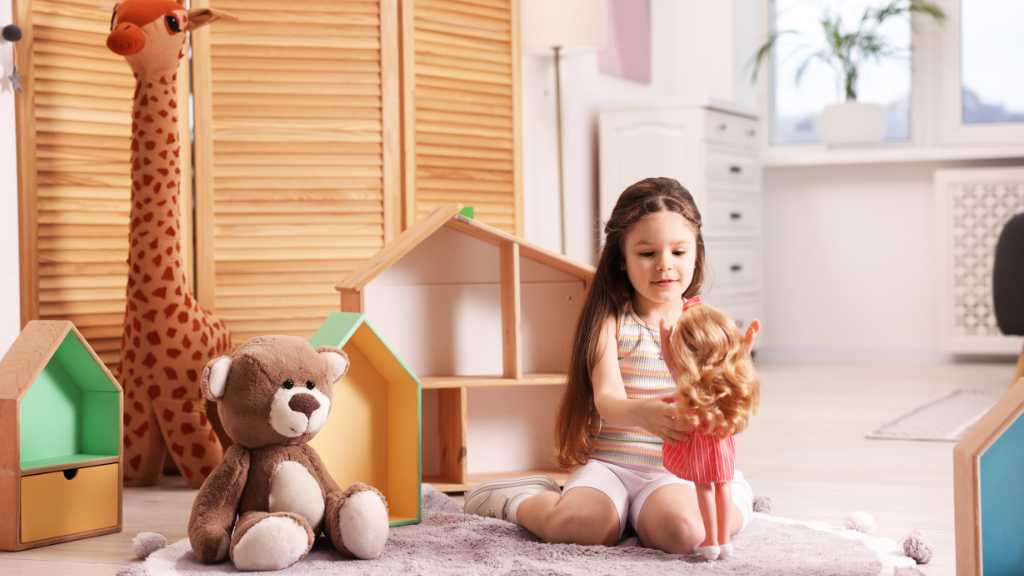
Mattel’s autistic Barbie is a major step in how children view themselves and others during play. For autism families, representation is more than symbolic; it helps children feel understood, respected, and included.
As awareness of neurodiversity grows, autism-friendly toys like the autistic Barbie reflect cultural acceptance. They mirror how children develop through play, imagination, and connection.
This article by ABA Centers of Georgia explores why the autistic Barbie matters, how representation impacts autistic children and their peers, and how play-based strategies, such as those used in ABA therapy, support meaningful skill development.
What Makes the Autistic Barbie Unique?
The autistic Barbie was designed with input from autism advocates and experts. Each detail is rooted in authentic autistic experiences.
Key features include:
- Sensory-friendly clothing with soft textures and easy fasteners
- Noise-canceling headphones, which are commonly used by individuals with autism to manage sensory input
- A sunflower symbol that is widely recognized as a sign of hidden disabilities
- Comfortable footwear and relaxed styling that reflects real-world preferences
The doll presents autism as a natural part of neurodiversity, not something to “fix.” This distinction is important for all ages.
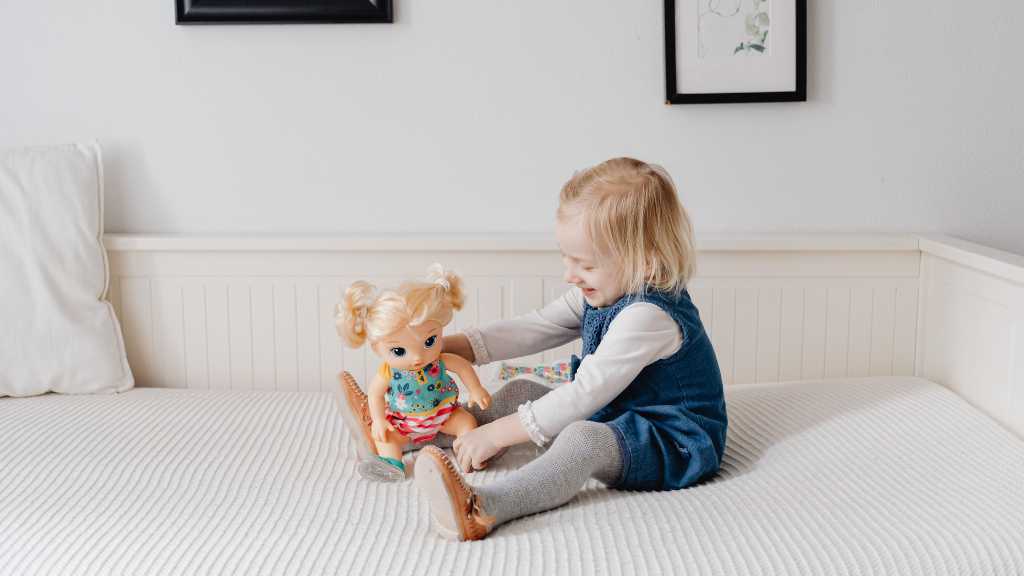
Why Autism-Friendly Toys Are Important
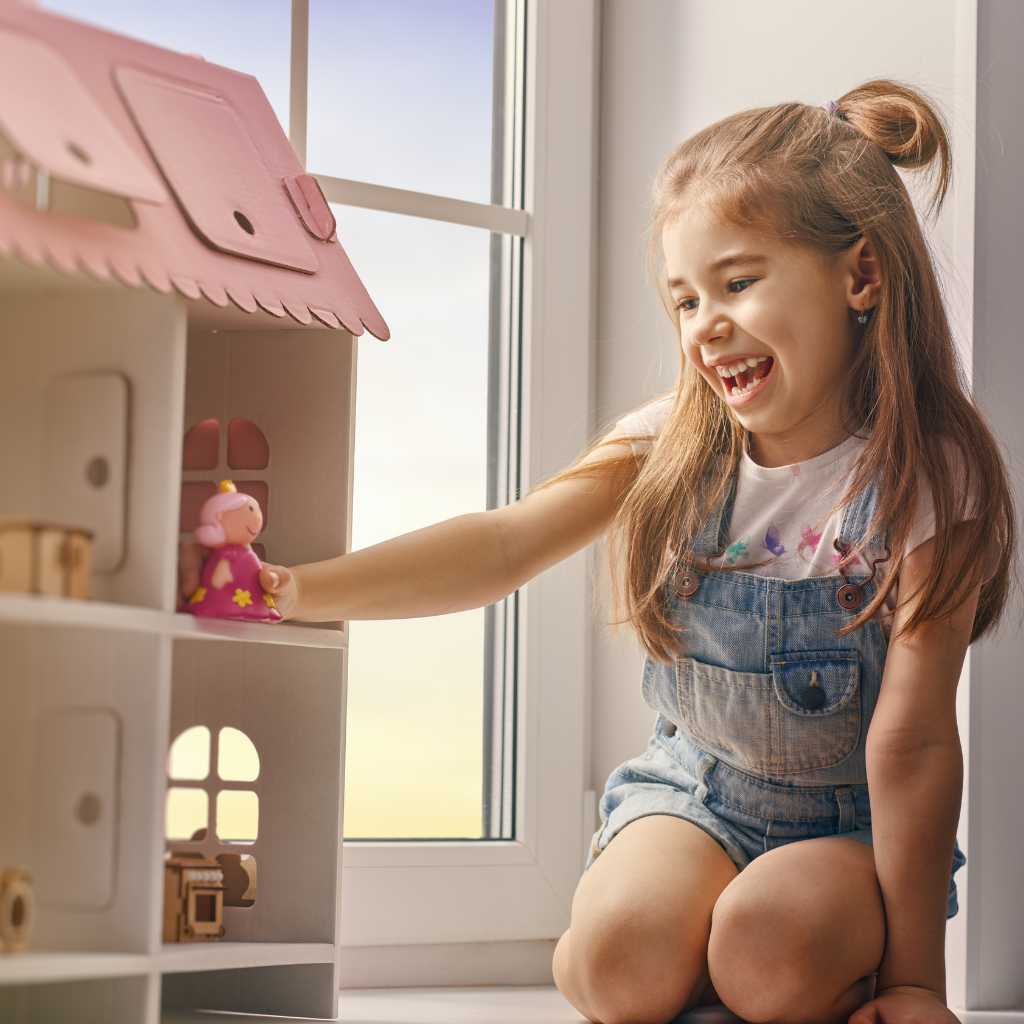
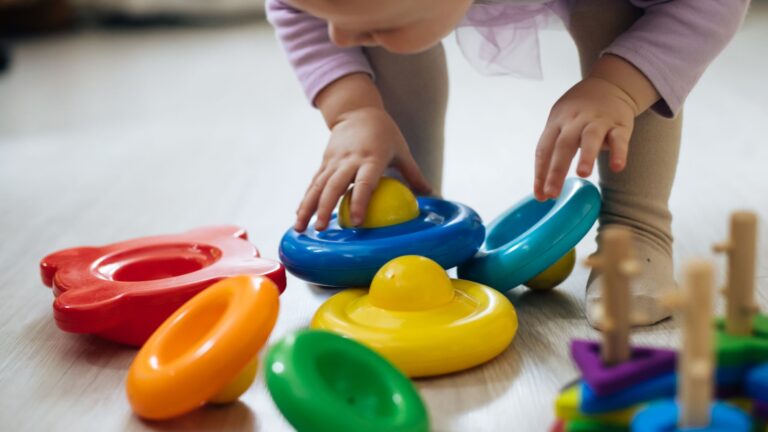
Children learn through play before fully grasping language or social norms. When toys represent diverse abilities, children absorb inclusion naturally.
For children with autism, seeing a Barbie doll with autism can:
- Reinforce self-acceptance and confidence
- Normalize assistive tools like headphones or visual supports
- Reduce feelings of being “different” or excluded
For neurotypical children, inclusive toys encourage:
- Empathy and understanding
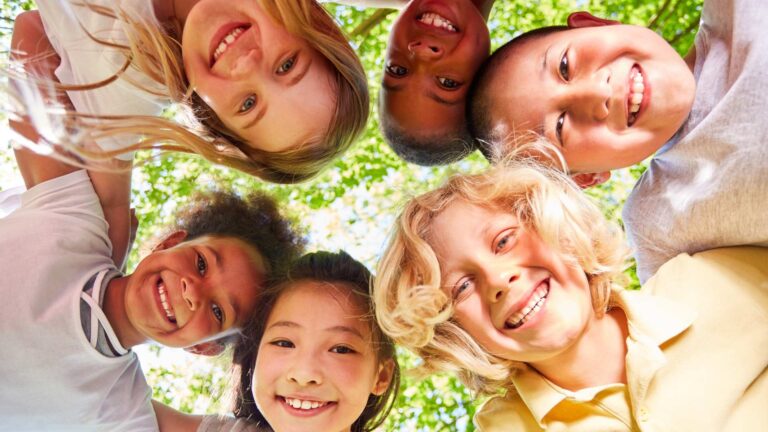
- Acceptance of differences
- More inclusive peer interactions
Research consistently shows that early exposure to diversity helps reduce stigma and fosters compassion later in life.
Toys That Support Autism Development Through Play
A Barbie doll with autism also fits into a broader category of autism-friendly toys that support communication, social learning, and emotional regulation.
Examples include:
- Pretend-play dolls and figurines
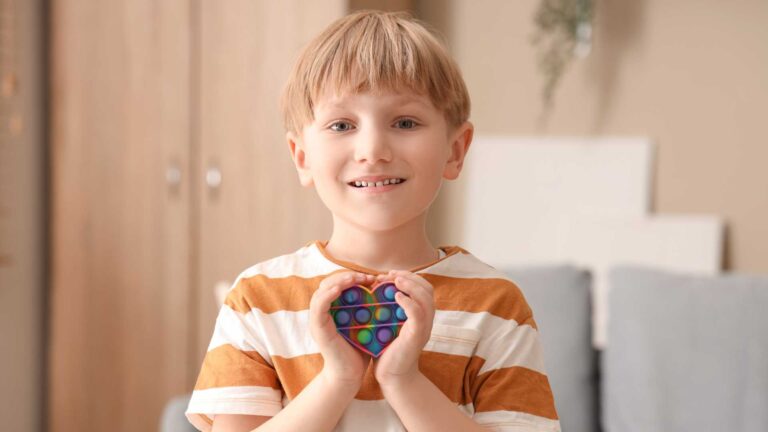
- Sensory toys that offer calming input
- Visual playsets that encourage sequencing and storytelling
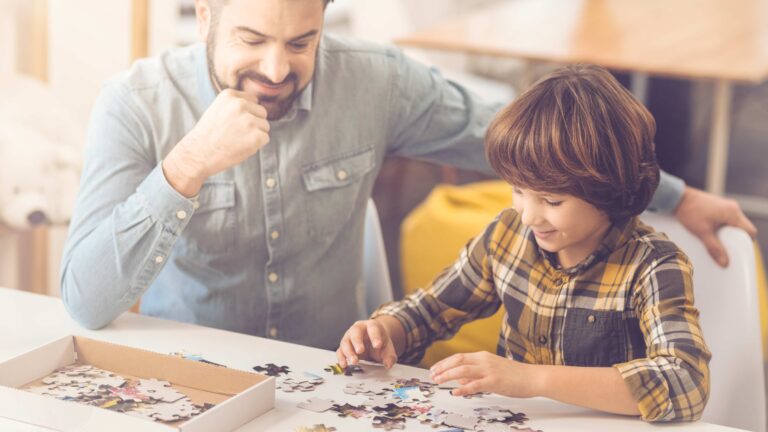
Autism-friendly toys do not replace therapy but complement it by creating natural learning opportunities.
How Play-Based ABA Therapy Uses Toys Like the Barbie Doll with Autism
In play-based Applied Behavior Analysis (ABA) therapy, play is not a break from learning; it is the learning process.