
How do you make your home autism friendly for Halloween?
Halloween is one of the most beloved holidays in the United States, a time when families come together to enjoy creative costumes, glowing jack-o’-lanterns, spooky decorations, and endless sweet treats. For many children, this festive day is filled with excitement and imagination. However, celebrating Halloween with autism can look quite different. The same sights and sounds that delight most kids (flashing lights, eerie sounds, crowded streets, and unfamiliar costumes) can be overwhelming for children with Autism Spectrum Disorder (ASD).
Families navigating Halloween with autism often face challenges related to sensory sensitivities, social expectations, and disruptions in routine. Bright lights, loud noises, scratchy fabrics, or unexpected scares can trigger stress and anxiety, turning a night of fun into a challenging experience. But with thoughtful planning, patience, and understanding, it’s absolutely possible for children with autism to enjoy the magic of Halloween.
At ABA Centers of Georgia, we believe every child deserves to celebrate holidays in a way that feels safe, inclusive, and joyful. That’s why we’ve compiled eight helpful tips for preparing for Halloween with autism, from selecting sensory-friendly costumes to practicing trick-or-treating ahead of time. With these strategies, families can turn spooky stress into smiles, ensuring a Halloween that’s fun, inclusive, and memorable for everyone.
What are the Challenges Related to Halloween with Autism?
Many individuals on the autism spectrum experience heightened sensitivity to stimuli compared to neurotypical individuals, meaning that a sound, texture, or sight that may be perceived as simple by a neurotypical person can trigger overwhelming sensations in a neurodivergent individual.
We understand that Halloween is a celebration where the traditions heighten sensory stimuli. While intended to be fun, crowds, events, costumes, and spooky, noisy decorations can be challenging for neurodivergent children to process. However, this difficulty does not mean that families with autism should refrain from participating in the celebration. It simply suggests that there should be a prior, pressure-free preparation when approaching Halloween with autism. With the right tools, you can address your child’s unique needs.
8 Useful Tips for a Successful Halloween with Autism
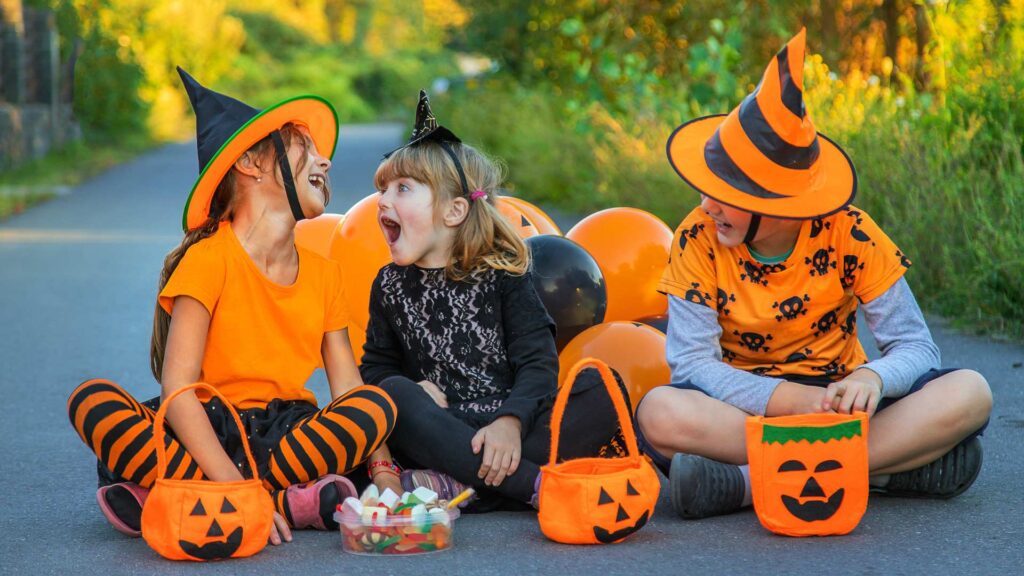
1. Don’t Leave Things to Chance
Planning is essential for a successful, autism-friendly Halloween. Using a social story with your child on the spectrum to explain the Halloween celebration can help them know what to expect and reduce anxiety. Create a personalized social narrative with images, pictures, and text to tell a story. You can use this downloadable example from Autism Speaks as a starting point.
Additionally, you can incorporate Halloween Day into a visual calendar for your child, helping build anticipation for the upcoming day and preventing it from taking them by surprise. You can even create a countdown to the day, which can help them get even more excited about participating.
2. Choose Activities and Costumes Ensuring Your Child’s Comfort
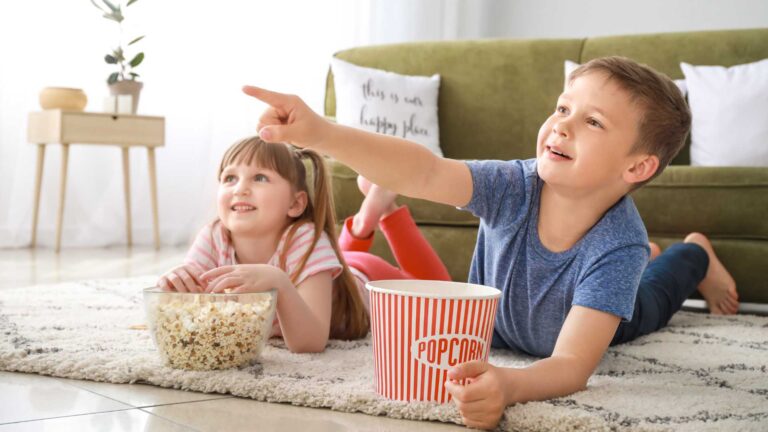
While trick-or-treating is the most popular Halloween activity for children, you should not feel obligated to do it if you believe your child won’t enjoy it. Instead, look for autism-friendly Halloween celebration ideas and research autism-friendly events in your city, whether it’s Alpharetta, Atlanta, Buckhead, or Marietta. You can also create a fun night at home to watch a Halloween movie, enjoy some treats, and have a special dinner together.}
Costumes are one of the most significant aspects of Halloween, and finding an outfit your child feels comfortable in is crucial. Children with autism often prefer costumes based on familiar characters, such as superheroes or animals. If your child is sensitive to temperature and fabrics, look for comfortable, breathable, and soft options. It’s also a good idea to involve them in the costume selection. You can look for autism-friendly costume options on Amazon or Etsy, or search for inspiration on Pinterest to create a costume at home.
3. Keep Track of the Sweets
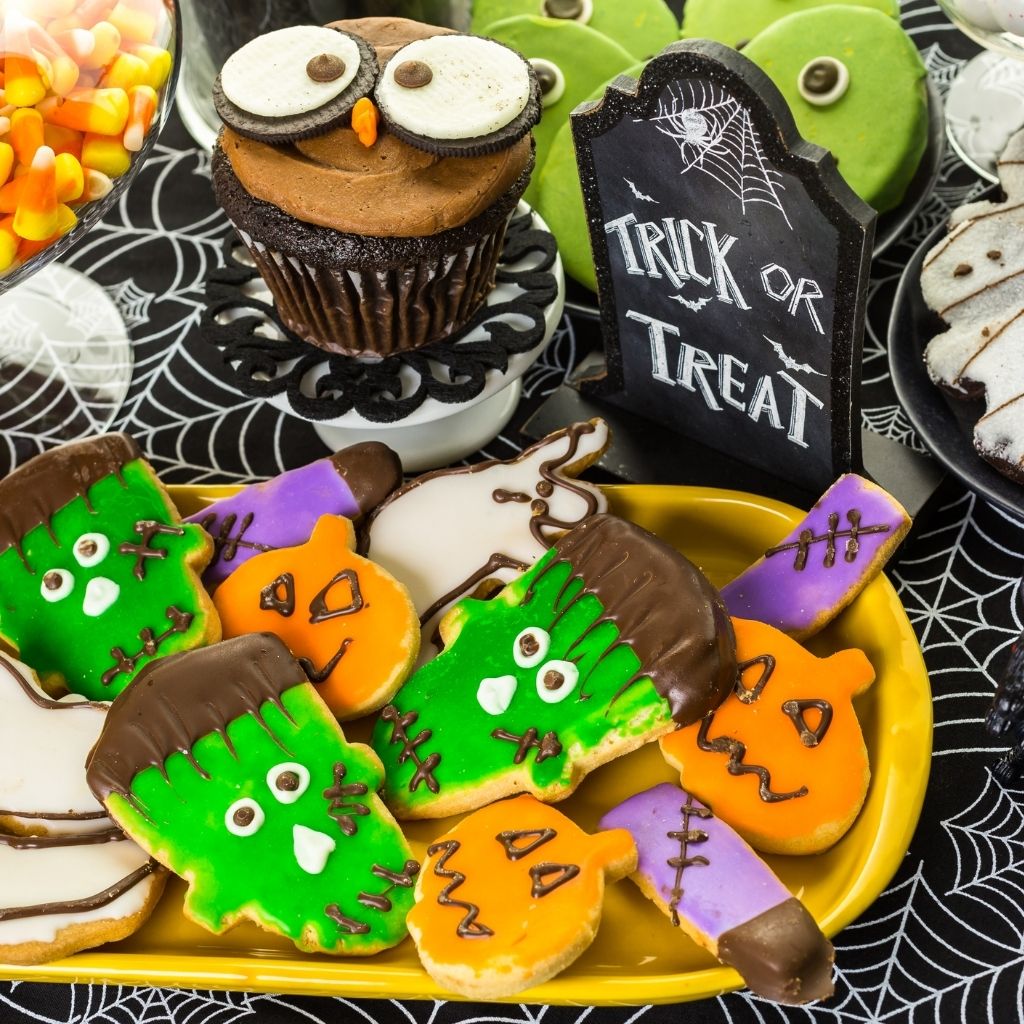
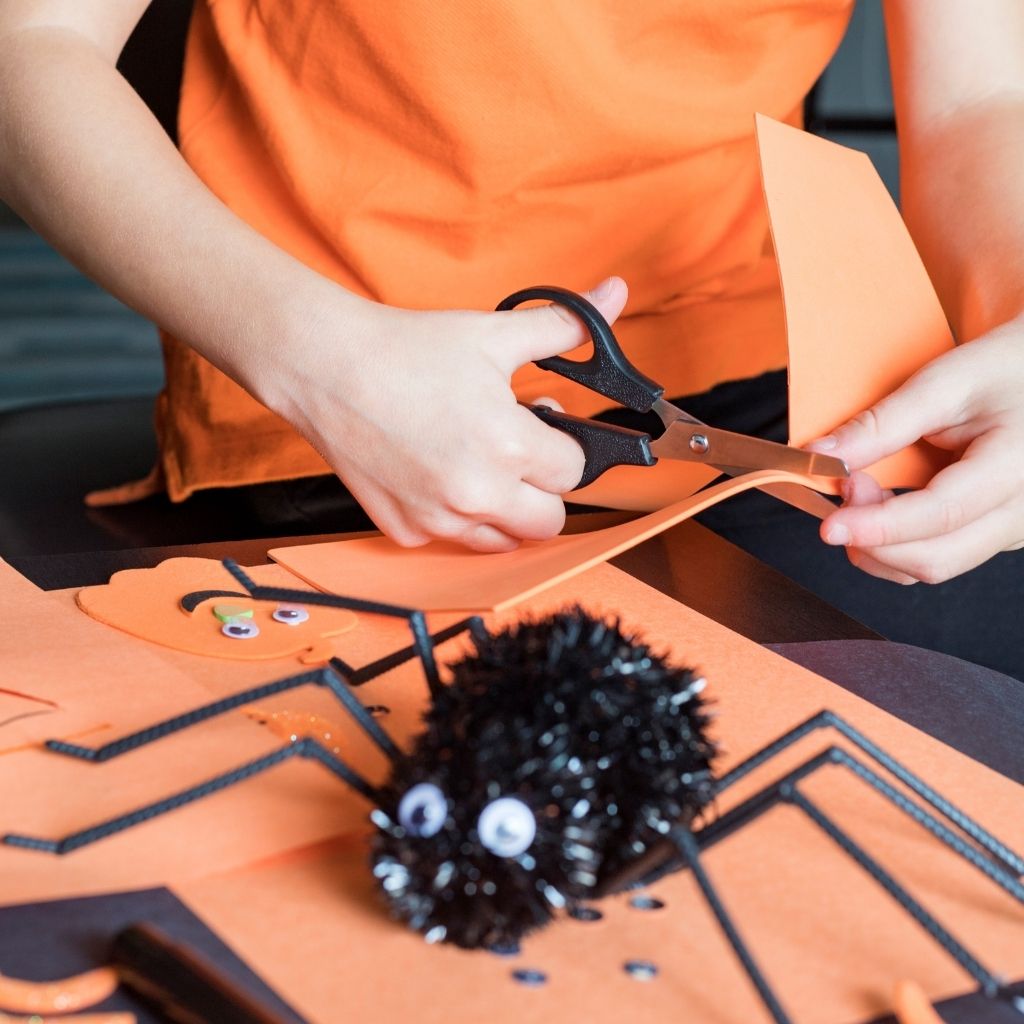
It’s also a good idea to remind them that the decorations are not genuine, just a silly way to celebrate this holiday.
You can also place blue pumpkins outside your home. Many cities in the United States have established that blue pumpkins indicate that a person with autism lives there to raise awareness and encourage empathy when visiting your home for trick-or-treating.
7. Safety Comes First
If you decide to go trick-or-treating with your child with autism, there are some precautions to keep in mind, especially if they tend to wander:
- Be sure to take a photo of your child in their costume to have a recent picture in case you need to look for them.
- Ensure they wear shoes that light up or glow-stick bracelets to make them easier to locate in the dark.
- Use a clothing item or accessory that helps them recognize and quickly find you in the crowd.
- Make sure your child carries their identification with their name and your contact information if they get lost. If your child is non-verbal, write your name and cell phone number on a piece of paper and place it in their pocket.
- Print a sticker indicating that your child has Autism Spectrum Disorder and place it in a visible location so people can approach them appropriately without frightening them.
8. Have Fun with Friends and Loved Ones
Halloween with autism is better when surrounded by groups who support and understand your needs. Friends, family, and trusted individuals are the best team for celebrating Halloween with autism. During these occasions that deviate from routine, a reliable support network is crucial for dealing with any stressful situations that may arise. Moreover, having your child surrounded by people who know and care for them will help them feel more comfortable, ensuring a more enjoyable experience.
Family and Autism-Friendly Halloween Events in Georgia
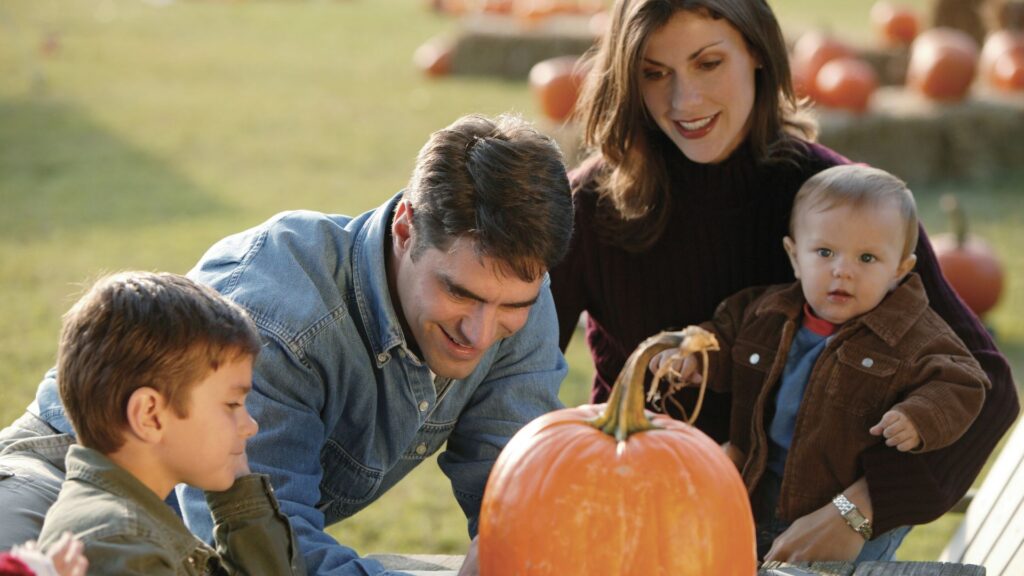
Looking for Halloween activities for children with autism beyond traditional trick-or-treating? Consider your child’s interests, comfort level, and sensory preferences when deciding which experience you may attend. These are some recommendations:
- Brick-or-Treat at LEGO Discovery Center Atlanta: From October 1 through October 31, families can enjoy Halloween-themed LEGO building activities, creative workshops, and the 4D movie “The Great Monster Chase”.
- Trick-or-Treat at the Children’s Museum of Atlanta: On October 24, children can enjoy trick-or-treating, Halloween crafts, a costume parade, music, and educator-led activities. The museum also offers a designated quiet zone for children who may find the event overstimulating.
- Kids Halloween Craft Event: On October 17 in College Park, children ages five and older can participate in Halloween-themed crafts, games, trick-or-treating, and a costume contest.
Before attending, visit each event’s website to confirm tickets, schedules, accessibility and inclusion resources, and potential sensory considerations. Reviewing these details ahead of time can help you choose an activity that fits your child’s individual preferences and needs.
ABA Centers of Georgia Enhances the Halloween Experience with Autism
At ABA Centers of Georgia, we understand that celebrating Halloween with autism can bring mixed feelings for many families. You may feel excited to join the festivities, but also uncertain about how to make the experience comfortable and enjoyable for your child on the spectrum. Beyond the tips shared in this article, our evidence-based ABA therapies provide the essential tools your child needs to build social, communication, and coping skills that support them not just during holidays, but throughout everyday life.
Preparing for Halloween with autism takes patience, planning, and compassion, but with the right guidance and support, your family can create lasting memories filled with joy rather than stress. To learn more about how our ABA therapy programs can help your child thrive and embrace every celebration, contact us today at (855) 929-5058 or reach out to us online. Let’s work together to help your child develop the confidence and skills to enjoy Halloween and every special moment life has to offer.