
Table of Contents
Explaining autism to family means helping loved ones understand your child’s everyday experiences — not convincing them to see things a certain way or answering every question at once. It’s an ongoing conversation, not a single moment, and you decide the pace.
A child’s autism diagnosis can answer questions you’ve been carrying for months or even years. It can also bring up a challenge many parents don’t expect: figuring out how to explain autism to family.
You may already know how to talk with your child’s healthcare providers or therapists, but speaking with family, close friends, or extended relatives often feels much more personal and complex. You might worry about how they’ll react, whether they’ll understand, or if they’ll unintentionally say something hurtful.
If you’ve ever wondered whether you’re saying the “right” thing, you’re not alone.
The truth is that sharing an autism diagnosis isn’t about finding the perfect words or convincing everyone to see things your way. It’s about opening the door to understanding, one conversation at a time. Every family moves at its own pace, and every parent has the right to decide what information to share and when.
By helping families understand autism, these conversations can become the beginning of a stronger support system. Keep reading this guide by ABA Centers of Georgia and discover how, when loved ones understand your child’s unique strengths, communication style, and support needs, they’re more likely to respond with patience, empathy, and encouragement to support you and your child.
Why Explaining Autism to Family Can Feel So Emotional
One of the biggest surprises after a diagnosis is realizing that some of the hardest conversations don’t happen in a doctor’s office; they happen around the dinner table, during family gatherings, or over a phone call with someone you love.
Parents often feel responsible for answering every question, correcting every misconception, and easing everyone else’s concerns while they’re still processing their own emotions.
According to the Cambridgeshire Community Services NHS Trust, relatives often want to support families after an autism diagnosis but may not know what that support should look like. Open, honest conversations can help replace uncertainty with understanding while giving loved ones practical ways to help.
So, if you’re wondering how to explain autism to family, keep in mind that it’s about helping the people who care about your child better understand their everyday experiences, rather than imposing a unique perspective and fighting outdated beliefs.
Helping Family Understand Autism Starts with Your Child—Not the Diagnosis
One of the most effective ways of helping family understand autism is to begin with your child instead of clinical definitions.
Rather than listing diagnostic criteria or medical terminology, describe what daily life looks like from your child’s perspective.
For example, you might say:
“Our child experiences the world differently. Busy environments can feel overwhelming, routines help them feel secure, and they sometimes communicate in ways that aren’t immediately obvious. They’re still the same wonderful child; they simply experience certain situations differently.”
This approach helps family members connect the diagnosis to the child they already know and love, rather than relying on stereotypes they’ve heard elsewhere.
The Child Mind Institute encourages parents to focus on honest, individualized conversations that explain how autism affects their child’s daily life rather than trying to answer every possible question at once.
When sharing an autism diagnosis, remember that your goal isn’t to explain autism in general. Your goal is helping family understand autism as it relates to your unique child.
How to Explain Autism to Family Without Feeling Like an Expert
Many parents worry they need to become autism specialists before talking with loved ones.
Fortunately, you don’t.
Knowing how to explain autism to family doesn’t require memorizing research studies or preparing a lengthy speech. In fact, simple, authentic conversations are often the most meaningful.

You might explain:
- Your child may need extra time to communicate
- Certain sounds, lights, or crowded spaces can feel overwhelming
- Predictable routines help your child feel safe
- Progress may look different than other children, and that’s okay
These everyday examples often help relatives understand autism far more effectively than complicated medical explanations.
Likewise, sharing an autism diagnosis doesn’t mean answering every question immediately. If someone asks something you’re not ready to discuss, it’s perfectly acceptable to say:
“We’re still learning too, but we appreciate your support as we continue this journey.”
Setting boundaries protects your family’s well-being while allowing understanding to grow naturally.
Turning Everyday Moments into Teaching Moments
One of the most meaningful ways of helping family understand autism is to show them what your child’s daily experiences look like instead of trying to explain every aspect of the diagnosis.
For example, a grandparent may wonder why your child leaves the dinner table during family gatherings. A relative might not understand why birthday parties feel overwhelming or why your child prefers quiet play instead of joining large groups.
These moments create opportunities for learning.
Instead of saying, “That’s just part of autism,” consider explaining what your child is experiencing.
You might say:
“Busy environments can become overwhelming because of sensory input. Taking a short break helps them feel calm so they can enjoy spending time with everyone again.”
These practical explanations often make it easier for family to understand autism because they connect everyday situations to your child’s unique needs. Over time, loved ones begin to recognize patterns, adjust expectations, and create more comfortable experiences for your child.
When Family Members Don’t Understand Right Away
Even with thoughtful conversations, not everyone will respond the way you hope. Some relatives may ask questions like:
“Are you sure?”
“They’ll grow out of it”
“We never heard about autism when you were growing up”
Hearing comments like these can be discouraging, but they often reflect unfamiliarity rather than a lack of love.
When considering how to explain autism to family, remember that you don’t have to defend your child’s diagnosis or convince everyone during a single conversation.
Instead, respond calmly with simple, factual statements.
For example:
“This diagnosis helps us better understand how our child learns and experiences the world. Our focus is giving them the support they need to thrive.”

Keeping the conversation centered on your child’s strengths rather than debating misconceptions often leads to more productive discussions.
Likewise, sharing an autism diagnosis is an ongoing process. Some family members understand immediately, while others need time, trusted resources, and continued conversations before they fully appreciate your child’s experiences.
Autism Awareness Begins Inside the Family
Many people think of autism awareness as something that happens through community events or awareness campaigns. While those efforts are valuable, real understanding often begins at home.
Every respectful conversation contributes to helping family members understand autism. Every relative who learns about sensory differences, communication styles, or predictable routines becomes another person who can help your child feel accepted.
According to the Centers for Disease Control and Prevention (CDC), continued research has expanded our understanding of autism and highlights the importance of recognizing individual strengths and support needs. As families learn together, they become better equipped to advocate for children and create more inclusive environments.
Rather than expecting loved ones to become autism experts overnight, encourage curiosity. Recommend trusted resources, answer questions when you feel comfortable, and remind family members that learning about autism is a journey, not a single conversation.
As sharing an autism diagnosis evolves into ongoing dialogue, families often discover that understanding grows naturally through shared experiences and mutual respect.
Building a Lifelong Support System with the Help of ABA Centers of Georgia
Learning how to explain autism to family isn’t about finding perfect words. It’s about creating opportunities for connection, understanding, and trust.
Some conversations will feel easy. Others may take patience, repetition, and grace. That’s completely normal.
The goal isn’t to make everyone an autism expert overnight. The goal is helping families understand autism well enough that your child feels accepted, respected, and supported wherever they go.
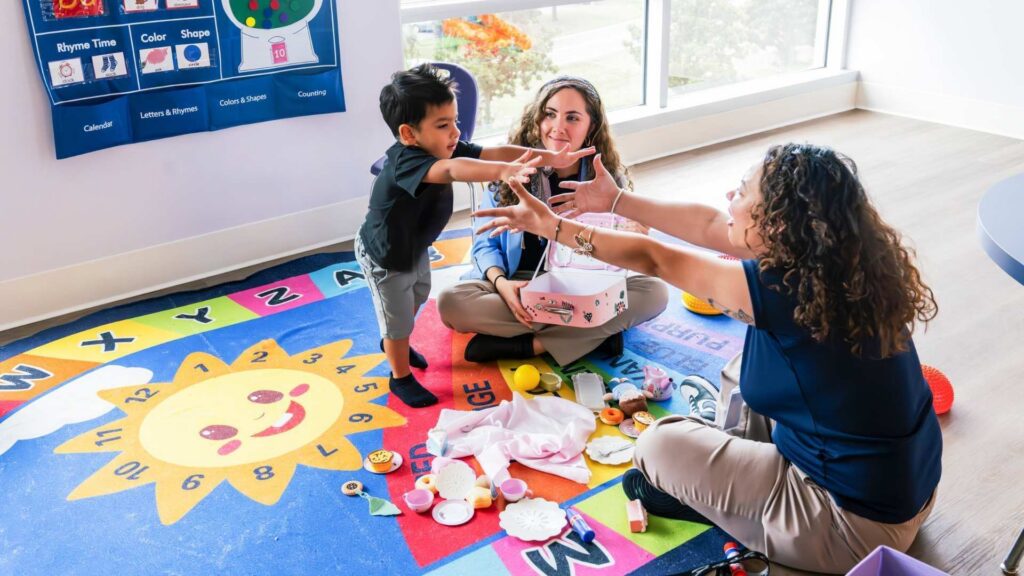
At ABA Centers of Georgia, we believe every family deserves compassionate guidance beyond the diagnostic process. Through comprehensive autism evaluations, individualized ABA therapy, and ongoing parent collaboration, we help families build the confidence they need long after sharing an autism diagnosis.
If you’d like to learn more about our autism services or schedule a consultation, call ABA Centers of Georgia at (855) 929-5058 or visit our contact page. Our team is here to help your family move forward with confidence, understanding, and hope.